.webp)
Mastering the Sift and Open-World Mechanics in Minecraft Dungeons II

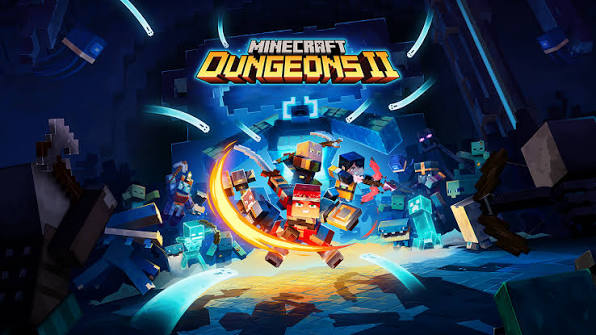
The release of Minecraft Dungeons II on September 29, 2026, marks a massive evolution for Mojang Studios and Double Eleven’s action-RPG franchise. Abandoning the strictly hub-and-mission select layout of its predecessor, the sequel introduces an expansive, seamlessly connected world alongside the surreal new dimension known as The Sift. Players face a drastically overhauled progression system, integrated verticality via manual jumping, and high-stakes encounters that demand specialized tactical builds. This comprehensive guide details how to optimize your hero and navigate the complex mechanics of the game's core aspect: advanced open-world exploration and gear synergy in the Sift.
Navigating the Shift from Mission Hubs to a Connected Overworld
Transitioning away from static camp menus requires a complete overhaul of how you approach map progression and resource gathering. In Minecraft Dungeons II, the world reacts organically to your choices, changing paths and opening shortcuts as local factions are rescued or quests are completed. To make the most of this open-world structure, you must treat exploration as an active resource-gathering phase rather than a linear sprint from objective to objective.
Understanding Dynamic World State Changes
As you clear out pockets of corruption across various biomes, check back on settlements that previously felt abandoned. These areas evolve into safe zones with unique vendors, side-quest boards, and crafting stations. Keeping a mental note—or mapping out—these dynamic route alterations saves precious travel time when backtracking for missed collectibles or high-tier chests.
Utilizing Shortcuts and Open-World Fast Travel
The new map interface allows you to unlock hidden network pillars across regions. Prioritize activating these pillars immediately upon discovery. They function not only as fast-travel points but also as safety beacons when elite monster patrols or unexpected world events overwhelm your current gear score.
Mastering Verticality and Movement Mechanics
For the first time in the franchise, jumping is a native mechanic. This addition transforms both environmental navigation and combat strategy, allowing you to bypass ground-level hazards, scale architectural ruins, and unleash devastating aerial attacks.
Executing Precision Jump-Attacks in Combat
Certain weapons—particularly heavy hammers and polearms—grant unique momentum bonuses when triggered from an elevated position or mid-jump. Time your leaps to clip enemy shielding mechanics or stagger charging brutes. A well-timed jump attack can interrupt elite spellcasters before they channel area-of-effect curses.
Reaching Hidden Vertical Loot Caches
Exploration rewards observant players who look upward. Ruined archways, cliff ledges, and tree canopy networks frequently conceal hidden chests containing rare emeralds and specialized gear parts. Practice stringing together sprint-jumps to clear seemingly impossible gaps.
Deconstructing the Four-Piece Armor and Gear System
Gear customization has received a profound expansion. Armor is no longer a single bundled item; it is now split distinctly into four structural pieces: head, chest, arms, and legs. This granularity allows for micro-optimized builds tailored to specific elemental defenses and playstyles.
Balancing Defensive Slots for Mixed Damage Types
Mixing armor pieces from different sets lets you patch up elemental weaknesses. For instance, pairing heavy iron leg plates for physical damage mitigation with a lightweight cloth hood maximizes your cooldown reduction for artifact spamming.
Optimizing Talismans for Passive Synergy
Alongside traditional gear, talismans occupy dedicated slots to grant continuous passive bonuses. Evaluate your active artifacts and weapon enchantments before slotting talismans; ensuring that your passive regeneration scales with your primary attack speed creates exponential damage loops during intense boss encounters.
Harnessing Artifacts and Active Ability Combos
Artifacts return as the cornerstone of active crowd control and burst damage, but their cooldown management requires a disciplined approach in the sequel's chaotic open-world encounters.
Pairing Area-of-Effect Crowd Control with Burst DPS
Combine defensive displacement artifacts—such as shockwave generators or vortex totems—with high-damage targeted strikes. Pull scattered mobs into a tight cluster using pull-effects, then unleash multi-hit melee sweeps to clear groups efficiently.
Managing Cooldown Loops Without Mana Pools
Because the game remains resource-classless, your ability rotation relies entirely on cooldown mitigation stacking. Balance your armor enchantments to reduce artifact downtime, ensuring you never find yourself defenseless against rushing ambush parties.
Entering and Surviving The Sift Dimension
The Sift is Minecraft's first brand-new dimension in over fourteen years, serving as the ultimate endgame crucible in Minecraft Dungeons II. Its environments are alien, shifting, and deeply hostile to unprepared adventurers.
Adapting to the Unique Ecosystem of The Sift
Gravity and lighting behave unpredictably in this realm. Mobs native to the Sift possess unique adaptations, such as phase-shifting through physical obstacles or inflicting status ailments that drain artifact energy. Always check your resistance loadout before crossing the dimensional rift.
Farming Endgame Materials for Tier-V Equipment
The highest rarity gear tiers only drop within the depths of the Sift. Form a balanced party of four players to tackle multi-stage incursions, making full use of mixed couch co-op and cross-platform matchmaking to coordinate roles effectively.
Overhauling the Enchantment and Rarity Framework
Enchanting your armaments is no longer a simple linear path. The new rarity structure introduces randomized modifier pools and corrupted enchantment variants that alter weapon behavior fundamentally.
Weighing Risk Versus Reward with Corrupted Enchants
Corrupted enchantments offer immense statistical boosts—such as converting standard physical swings into life-stealing chaos arcs—but often introduce dangerous side effects like periodic health degradation or increased vulnerability to elemental damage.
Rerolling Modifiers at Specialized Crafting Shrines
Do not hoard your enchanting points early on. Utilize open-world shrines to scrub and reroll undesirable modifiers once you transition into mid-game biomes, ensuring your loadout scales seamlessly with rising enemy difficulty levels.
Cooperative Synergy and Multiplayer Scalability
Whether playing solo or teaming up with up to three friends via online or local couch co-op, Minecraft Dungeons II dynamically scales encounters based on active party composition and player entry timings.
Balancing Roles in a Classless Party
Without rigid character classes, your group must consciously assign tactical roles through gear choices. Designate at least one player to stack crowd-control talismans and tank attributes, while others focus purely on ranged elemental DPS or high-mobility assassin builds.
Leveraging Drop-In, Drop-Out Crossplay Mechanics
The seamless integration of cross-platform play allows friends to join ongoing open-world sessions instantly. Use this to your advantage when facing world bosses; if an encounter proves too difficult, open your session to public matchmaking to turn the tide.
Confronting the Illager Council and Boss Mechanics
The primary narrative thread follows the destruction of the original camp and the rise of the Illager Council—a formidable trio of leaders steering the overarching crisis. Defeating them requires learning intricate multi-phase attack patterns.
Disrupting Ritual Channels During Council Fights
During encounters with the Illager Council, priority targets shift rapidly. Ignore the minor summoned mobs and focus your heavy jump-attacks on interrupting the central ritual channels before arena-wide hazards wipe out your team.
Positioning and Arena Management
Boss arenas in the sequel feature destructible architecture and shifting environmental traps. Keep your movement fluid, utilize the new jump mechanics to clear sudden floor collapses, and keep your ranged DPS positioned on high ground.
Maximizing Performance and Settings for High-Stakes Combat
With massive open-world rendering, dynamic lighting in the Sift, and up to four-player particle effects flashing on screen simultaneously, hardware optimization is vital for maintaining reaction times.
Fine-Tuning Visual Settings for Competitive Fluidity
Lower particle density and volumetric fog settings slightly if you experience frame drops during chaotic cooperative sessions. Smooth frame rates are essential for executing precise jump-attacks and dodging elite enemy telegraphs.
Configuring Accessibility and Input Preferences
The game features extensive accessibility tools, including adjustable text scaling, contrast controls, and color alternatives. Tailor your interface to ensure critical cooldown timers and health bars remain clearly visible amidst heavy combat clutter.
Conclusion and Next Steps for Aspiring Heroes
Mastering Minecraft Dungeons II requires abandoning old habits forged in the original game's linear corridors. By embracing open-world exploration, experimenting with the four-piece armor system, utilizing verticality, and conquering the shifting hazards of the Sift, you will transform your hero into an unstoppable force. The Overworld is in peril, and the path forward demands both sharp reflexes and meticulous buildcrafting. Equip your sword, rally your allies, and step boldly into the unknown.