The Chronological Paradox: How Resident Evil Requiem Shattered the Architecture of Survival Horror Tension
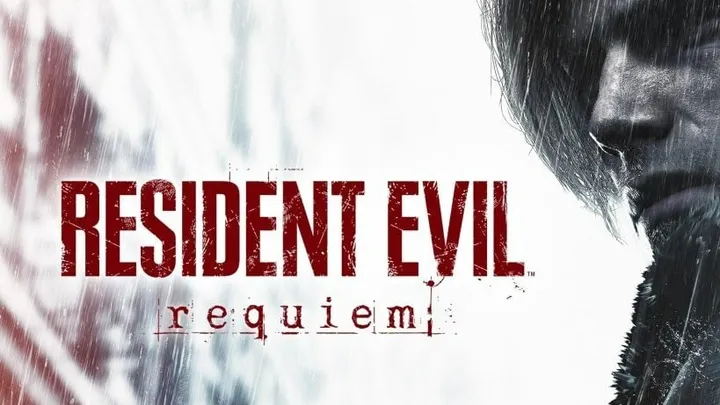
 The slow, agonizing decay of atmospheric dread in Resident Evil Requiem serves as one of the most compelling case studies in modern digital game design, illustrating what happens when innovative mechanical ambitions accidentally dismantle a genre’s foundational core. Rather than adhering to the traditional, linear spatial constraints of classic survival horror, Requiem introduced the highly complex Chronos-Engine. This real-time temporal distortion mechanic forces players to navigate the same underground corporate research complex across two distinct, parallel eras: the pristine clinical environment of 1998 and the completely ruined, bio-overrun apocalyptic wasteland of 2026. This analysis dives deep into the structural, mechanical, and psychological consequences of this system, demonstrating how the introduction of temporal rewinding and cross-era resource manipulation fundamentally compromised the genre’s absolute requirement: permanent, inescapable resource scarcity.
The narrative trajectory begins in the claustrophobic confines of the Arklay Sub-Level 4, an abandoned Umbrella shadow installation that functions as an exceptional physical metaphor for the player's isolation. In the opening hours of the campaign, the game operates as a masterclass in traditional survival horror design, wrapping the player in heavy shadow, limited visibility, and severe inventory restrictions. Ammunition is incredibly rare, enemies are resilient, and every single corridor feels like a tactical risk where a single missed shot could mean starvation later in the level. The environment feels genuinely dangerous, and the atmospheric audio design emphasizes the weight of Jill Valentine's solitary struggle against the unknown.
The introduction of the chronological anomaly abruptly fractures this conventional loop, presenting a gameplay dynamic that is initially terrifying but structurally unstable. As Jill interacts with a ruptured containment core, the game forces a sudden transition between the two eras, shifting the map instantly from the clean, brightly lit hallways of the past to the moldering, flooded ruins of the future. This initial transition triggers intense psychological panic because it completely alters the layout of the environment, replaces standard zombie encounters with hyper-aggressive future mutations, and forces players to rapidly reassess their positioning. The environmental duality feels like a brilliant evolution of horror, multiplying the spaces the player must master while keeping them constantly off-balance.
However, even in this brilliant opening phase, the seeds of structural tension dilution are planted. The ability to look at a locked security door in 2026, slip backward into 1998 to find the room pristine and unlocked, and then return to the future creates an immediate cognitive shift in how the player perceives obstacles. The environment stops being an absolute, unyielding wall of horror and instead transforms into a fluid, highly malleable puzzle box. The psychological dread of being trapped in an inescapable nightmare begins to give way to curiosity, as players realize the environment can be manipulated to bypass threats rather than forcing a direct, terrifying confrontation.
To formalize this environmental manipulation, the game equips the player with the Requiem Regulator, a wrist-mounted piece of prototype hardware that serves as the mechanical core of the entire experience. This device allows the player to manually trigger localized temporal rifts, shifting specific rooms or entire sectors between the 1998 and 2026 states at will, provided the device has sufficient battery charge. This mechanical loop introduces an intricate layer of environmental puzzle-solving, requiring players to track the state of items, doors, and structural integrity across a dual-timeline axis that redefines traditional survival horror navigation.
The underlying flaw in this design emerges when analyzing the Temporal Salvaging system, an inventory mechanic that completely alters how resources are gathered and preserved. Survival horror relies heavily on the permanent, unrecoverable loss of items; if a player wastes a shotgun shell or uses a green herb prematurely, that resource is permanently removed from the ecosystem, heightening future anxiety. Resident Evil Requiem subverts this rule by allowing players to seed objects in the past and harvest their evolved variants in the future timeline. This cross-era interaction turns resource management from a stressful exercise in conservation into a calculated, mechanical exploitation of time itself.
To manage this complex temporal economy, the game introduces a split inventory system that tracks items based on their chronological origin and stability. Understanding this system is crucial to understanding how the game's economic balance ultimately disintegrates as player progression advances.
The regulatory system identifies specific attributes for all items picked up throughout the environment:
- Chronologically Stable Items: Standard weapons and universal key items that can transition between 1998 and 2026 without losing structural integrity or degrading in functionality.
- Chronologically Unstable Items: Highly volatile chemical compounds and prototype ammunition that degrade into useless ash if shifted across timelines without a specialized containment case.
- Malleable Sub-Elements: Raw materials, agricultural components, and basic compounds that intentionally transform, grow, or alter their physical properties when left in a past environment to age across decades.
During the initial chapters of the campaign, the game manages to maintain a fragile balance between empowerment and vulnerability by heavily limiting the Regulator's operational parameters. The device begins with minimal battery capacity, requiring rare, un-craftable chemical cells to recharge, which forces players to view time travel as a precious, high-stakes resource rather than an infinite escape route. The tension remains high because choosing to escape a dangerous room by slipping into the past might exhaust the very charge required to solve an upcoming progression puzzle, leaving the player stranded in a dangerous area.
This early mechanical tension is further reinforced by the distinct dangers inherent to each independent era, preventing either timeline from serving as a permanent safe haven. The 1998 timeline is heavily populated by highly organized, heavily armed Umbrella Security Service personnel who utilize firearms and coordinated squad tactics, forcing a stealth-focused, cover-reliant gameplay style. Conversely, the 2026 timeline is completely devoid of human life, filled instead with unpredictable, hyper-lethal biological weapons that have spent decades mutating in the dark. This balance ensures that shifting timelines is often a choice between two distinct flavors of terror.
The structural integrity of Resident Evil Requiem's horror architecture begins to experience severe, irreversible degradation once the player reaches the intermediate laboratory sectors and unlocks the first major round of Regulator upgrades. By expanding the device’s internal battery capacity and introducing an automatic, passive recharge function, the developers unintendedly removed the primary mechanical barrier to infinite exploitation. The psychological dread of confrontation completely evaporates when the player realizes that any mistake, bad encounter, or wasted magazine can be instantly mitigated by simply phasing out of the current reality.
The most glaring manifestation of this design flaw is found within the Agricultural Multiplication Exploit, a system that completely breaks the game’s healing economy. By utilizing the past timeline's operational hydroponics bays, players can plant a single basic Green Herb seedling in 1998 and immediately jump to 2026 to harvest a massive, hyper-potent cluster of evolved flora. This loop completely replaces the panic of low health with a predictable, stress-free agricultural farming routine, transforming a desperate struggle for survival into a routine optimization puzzle.
Depositing standard low-grade pistol gunpowder into past containment lockers causes the compounds to chemically refine over twenty-eight years, allowing players to harvest high-grade Magnum and Grenade launcher components in the future. Additionally, targeting and killing a vulnerable, embryonic mutation in its containment tank in 1998 completely erases its hyper-lethal, adult apex-predator variant from the 2026 map. This interaction allows players to clear late-game combat zones with zero physical risk, transforming terrifying encounters into simple preventive maintenance tasks.
As the overarching narrative progresses into the deep industrial subterranean levels, a glaring cognitive dissonance emerges between the script’s escalating panic and the player's mechanical omnipotence. The dialogue and cutscenes constantly reinforce the idea that Jill Valentine is running out of literal minutes before a catastrophic facility-wide sterilization protocol executes, destroying all evidence and life within the complex. However, this narrative urgency is utterly undermined by a gameplay loop that rewards the player for standing completely still, cycling through temporal periods, and methodically managing an elaborate cross-era trade route to maximize their inventory efficiency.
This fundamental narrative disconnect completely strips the game’s primary antagonists of their intended psychological menace and structural weight. Stalker-class enemies, designed to evoke the legendary, unyielding pursuit of the classic Nemesis, are reduced to minor navigational inconveniences rather than terrifying forces of nature. When a high-tier bioweapon bursts through a concrete wall to corner the player in a dead-end hallway, the sequence should evoke absolute, heart-pounding terror. Instead, the presence of the fully upgraded Regulator transforms the encounter into a trivial interaction; a single button press instantly slips the player into an era where the creature has not yet been unthawed, rendering its pursuit entirely meaningless.
The unique capabilities of the Chronos-Engine strip away the defining trait of survival horror stalkers: inescapable presence. When the environment itself can be swapped for a version built thirty years prior, the hunting instincts of the AI are fundamentally neutralized, transforming a terrifying hunter into a localized environmental hazard that can be bypassed by simply exiting the current century.
The level design of Resident Evil Requiem relies entirely on architectural doubling, demanding that every single office space, sewer filtration plant, and cryogenic storage facility be built twice to support the shifting mechanic. In the first half of the experience, exploring this mirrored architecture feels incredibly rewarding from an artistic and narrative standpoint, allowing players to witness firsthand how a clean, bustling corporate environment from the late 1990s gradually decays into a dark, flooded, vine-choked ruin over the course of nearly three decades. It provides a unique form of environmental storytelling that feels active rather than passive.
However, as the campaign marches into its final act, this spatial doubling transitions from an impressive artistic achievement into an exhausting, monotonous exercise in mandatory backtracking. Because progression puzzles require items to be moved back and forth across the timeline repeatedly, the player is forced to sprint through the exact same physical corridors dozens of times. What should be a terrifying, forward-focused descent into the deepest, most dangerous sectors of an infected biological research laboratory instead degenerates into a tedious housekeeping routine, completely destroying the narrative's pacing and flattening the game's atmospheric tension.
In a clear attempt to counter the player’s ability to trivialize combat via time travel, the development team introduced Chronally Anchored Entities. These specialized bioweapons exist simultaneously across both target timelines, possessing a mutated cellular structure that allows them to perceive and track the player regardless of which era Jill currently occupies. When Jill shifts from the future back to the past, these creatures do not vanish; instead, they tear through the chronological fabric, leaving a trail of shimmering visual distortion behind them as they continue their relentless pursuit across time.
While this concept represents an incredibly brilliant conceptual evolution of the stalker enemy archetype, the practical execution within the game engine suffers from severe structural and pathfinding failures. When the Chronally Anchored monsters attempt to navigate the environment while tracking a player who is rapidly switching between eras, the game's AI engine frequently struggles to calculate conflicting collision parameters. Because a room might contain a massive pile of collapsed steel beams in 2026 but be completely open and empty in 1998, the enemy's pathfinding routine often suffers a complete breakdown.
This mechanical glitching completely destroys any sense of genuine terror the creatures were meant to evoke. Witnessing a terrifying, multi-limbed biological horror become permanently stuck in a loop, walking helplessly against an invisible piece of geometry that only exists in an alternate century, transforms an apex predator into a comical, broken technical limitation. The player quickly learns to intentionally exploit these pathfinding conflicts, deliberately baiting the game's premier monsters into areas with high environmental variance to completely freeze their AI routines and neutralize them without firing a single shot.
By the time the player descends into the final subterranean sectors of the complex, the cumulative impact of the temporal multiplication exploits results in an absurdly bloated, hyper-destructive player inventory. The foundational survival horror anxiety of running out of ammunition or healing supplies is completely replaced by an overwhelming excess of military-grade firepower. Jill Valentine ceases to be a survivor fighting desperately against a biological nightmare and instead transforms into a walking army, sporting a massive arsenal of high-caliber assault weapons, grenade launchers with specialized elemental rounds, and experimental energy weapons gathered across both centuries.
This drastic shift in power dynamics fundamentally alters the genre classification of the experience, moving Resident Evil Requiem firmly out of the realm of survival horror and into the territory of a standard, power-fantasy action shooter. The dark, atmospheric shadows lose their psychological power when the player knows they possess enough explosive ordnance to level the entire facility multiple times over. The monsters are no longer terrifying obstacles to be avoided or carefully managed; they are simply temporary targets to be systematically dismantled with overwhelming force, exposing a critical failure in the game's long-term economic balancing.
The final boss encounter of the campaign represents the absolute structural collapse of the game’s core design philosophy, pushing the temporal manipulation mechanics to an unmanageable extreme. The battle takes place across three distinct layers of time simultaneously, requiring the player to rapidly cycle through different eras to expose the shifting weak points of a massive, reality-warping biological anomaly. The encounter completely abandons any lingering pretense of survival horror tension or grounded, atmospheric dread, opting instead for a frantic, hyper-complex puzzle-action setpiece that feels entirely alien to the franchise.
The mechanical complexity of this final confrontation becomes incredibly frustrating, not because it poses a legitimate challenge to the player's hard-earned combat skills, but because it demands tedious menu navigation and frame-perfect timing. The player spends the majority of the fight wrestling with the UI and managing battery cooldowns rather than engaging with the horror of the creature itself. The emotional weight of the narrative conclusion is entirely swallowed by the mechanical noise of the temporal puzzles, leaving players feeling detached, exhausted, and thoroughly unsatisfied by the time the final credits roll.
Ultimately, Resident Evil Requiem stands as an incredibly fascinating, highly ambitious, yet fundamentally flawed milestone in the history of interactive horror design. By attempting to innovate within a notoriously rigid genre through the introduction of complex, real-time time-travel mechanics, the developers inadvertently solved the very problem that makes survival horror compelling: the inherent helplessness and vulnerability of the protagonist. The Chronos-Engine proved to be a mechanic too powerful for its own good, naturally consuming the atmosphere of dread it was built to sustain.
The game remains a crucial, cautionary tale for future game designers and horror developers worldwide. Innovation within an established genre should never come at the direct expense of that genre's core emotional and psychological thesis. When a gameplay mechanic designed to empower the player completely eliminates the structural foundations of fear, vulnerability, and scarcity, the survival horror experience ceases to exist, leaving behind nothing more than an intricate, cold, and ultimately non-frightening clockwork puzzle box.
Conclusion
The structural failure of Resident Evil Requiem proves that survival horror cannot coexist with mechanics that grant the player absolute control over their environment and choices. By turning time into a commodity and a safety net, the game successfully dismantled the scarcity and permanence that give the genre its teeth. While it remains a technical marvel and a fascinating narrative experiment, it serves as a permanent reminder that in the realm of horror design, limitation is often the greatest source of artistic strength, and total mechanical freedom is the quickest path to killing the fear.