.webp)





Metaphor: ReFantazio is a fantasy role-playing game that blends classic turn-based combat with modern design philosophy. Developed by veterans of the Persona and Shin Megami Tensei series, the game emphasizes strategic planning, party composition, time management, and narrative-driven decision-making. While it may feel familiar to fans of Atlus RPGs, Metaphor introduces enough new systems to require careful learning.
This guide is intended to help players understand the game’s core mechanics, optimize combat efficiency, and progress smoothly through both story and side content. Whether you are new to Atlus-style RPGs or an experienced player adapting to Metaphor’s unique systems, these tips will support long-term success.
1. Understanding the Core Gameplay Structure
A Blend of Classic and Modern RPG Design
Metaphor: ReFantazio combines traditional turn-based battles with modern pacing and presentation. Combat rewards preparation, enemy knowledge, and party synergy rather than raw grinding alone.
Outside of combat, exploration, dialogue choices, and time-sensitive activities play a significant role in progression.
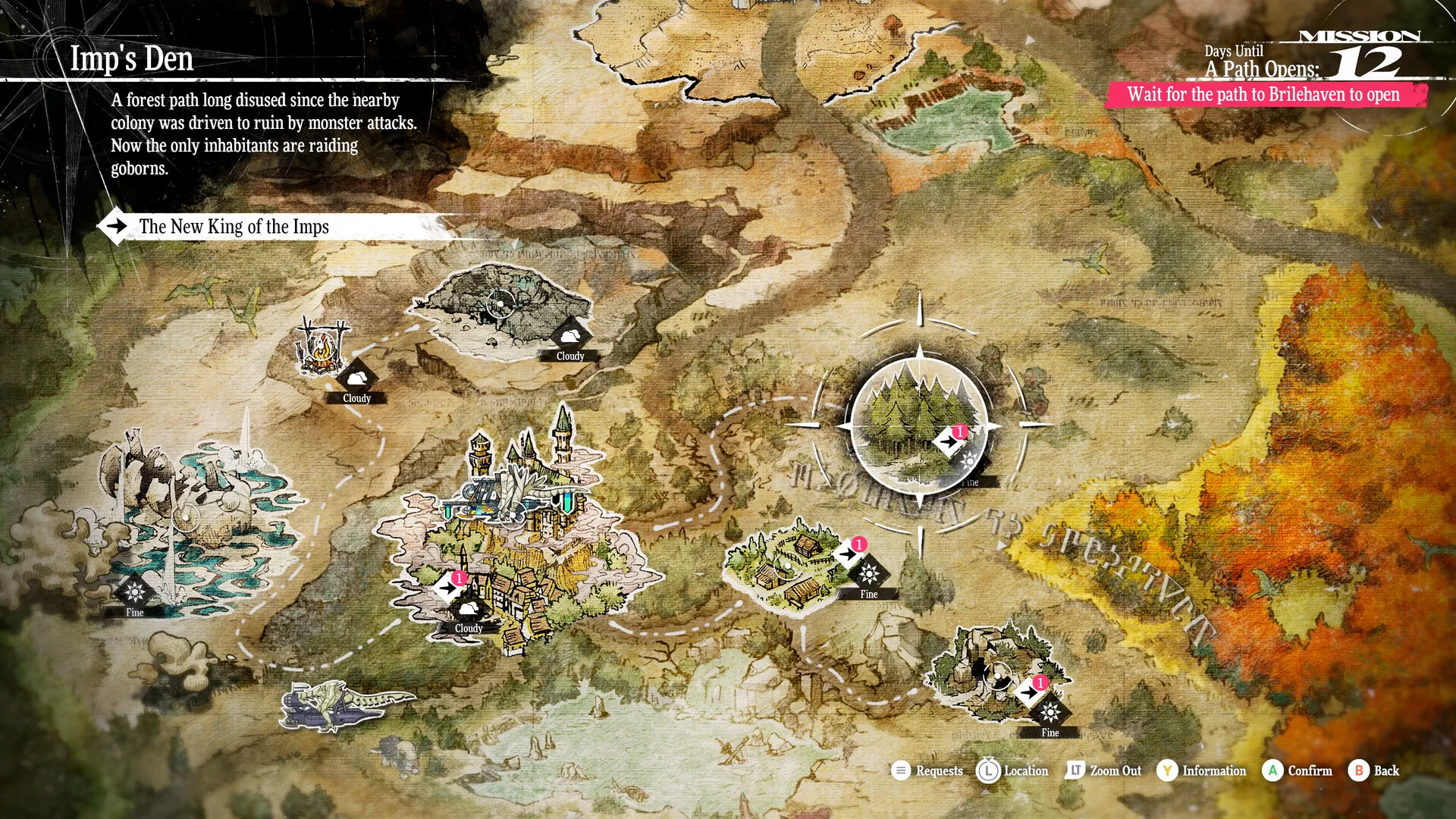
The Importance of Strategic Planning
Every decision, from party composition to daily activities, affects long-term outcomes. Poor planning can make later encounters significantly harder.
Thinking ahead is more valuable than reacting in the moment.
2. Learning the Combat System Early
Turn-Based Combat Fundamentals
Combat revolves around exploiting enemy weaknesses and minimizing damage taken. Attacking weaknesses often grants extra advantages or momentum shifts.
Defensive play is just as important as offense, especially in longer encounters.
Avoiding Early-Game Mistakes
Overcommitting to attacks without understanding enemy patterns can lead to quick defeats.
Learning enemy behavior early reduces unnecessary resource consumption.
3. Mastering Archetypes and Class Progression
Understanding Archetype Roles
Archetypes define a character’s combat role, abilities, and growth potential. Each archetype excels in specific situations, such as damage dealing, support, or control.
Balancing archetypes within the party is essential for versatility.
Switching and Developing Archetypes
Metaphor encourages experimentation rather than locking players into a single class.
Developing multiple archetypes increases adaptability against varied enemy types.
4. Party Composition and Synergy
Building a Balanced Team
A well-rounded party typically includes damage, support, and defensive capabilities.
Relying too heavily on one role creates vulnerabilities.
Synergy Over Individual Strength
Some abilities amplify the effectiveness of others.
Combining buffs, debuffs, and elemental coverage leads to smoother encounters.
5. Resource Management and Economy
Managing HP, MP, and Items
Resources are limited, especially in early and mid-game content.
Wasting skills or healing items can create difficulties later in dungeons.
Smart Spending Decisions
Currency should be spent strategically on gear upgrades and essential items.
Avoid unnecessary purchases that provide minimal improvement.
6. Exploration and Dungeon Strategy
Reading Dungeon Design
Dungeons are designed with pacing in mind. Enemy placement often signals upcoming challenges.
Taking time to observe layouts prevents ambushes and wasted resources.
Knowing When to Retreat
Retreating to recover is often smarter than pushing forward recklessly.
A successful retreat preserves progress and prevents full-party wipes.
7. Time Management and Daily Activities
Planning Your Days Efficiently
Many activities consume in-game time, making prioritization crucial.
Balancing combat preparation, social interactions, and exploration is key.
Avoiding Time Waste
Some activities offer diminishing returns.
Focus on actions that provide long-term benefits rather than short-term gains.
8. Understanding Enemy Behavior and Boss Fights
Studying Enemy Patterns
Enemies follow consistent attack patterns that can be learned.
Recognizing these patterns allows better defensive planning.
Boss Fight Preparation
Bosses punish unprepared parties.
Before major encounters:
- Ensure balanced archetypes
- Stock essential items
- Review enemy weaknesses
Preparation often matters more than raw levels.
9. Improving Through Adaptation and Learning
Accepting Setbacks as Learning Tools
Failure is part of the learning process in Metaphor.
Each loss reveals weaknesses in strategy or preparation.
Adjusting Strategy Instead of Grinding
Grinding alone does not guarantee success.
Refining party composition and skill usage yields better results.
10. Developing a Long-Term Player Mindset
Patience Over Power
Rushing progression leads to missed systems and weaker understanding.
Taking time to learn mechanics pays off later.
Playing for Mastery, Not Speed
Metaphor rewards thoughtful play and strategic mastery.
Players who engage deeply with its systems experience a richer and more satisfying journey.
Conclusion
Metaphor: ReFantazio is a deep, strategic RPG that rewards preparation, adaptability, and intelligent decision-making. Success depends less on brute force and more on understanding systems such as archetypes, combat flow, and time management.
By applying the tips and guides in this article, players can approach challenges with confidence, build stronger parties, and fully appreciate the game’s rich world and strategic depth.